

Beyond Compliance: What Designing a True Zero Carbon Home Taught Me About the Future of Australian Housing
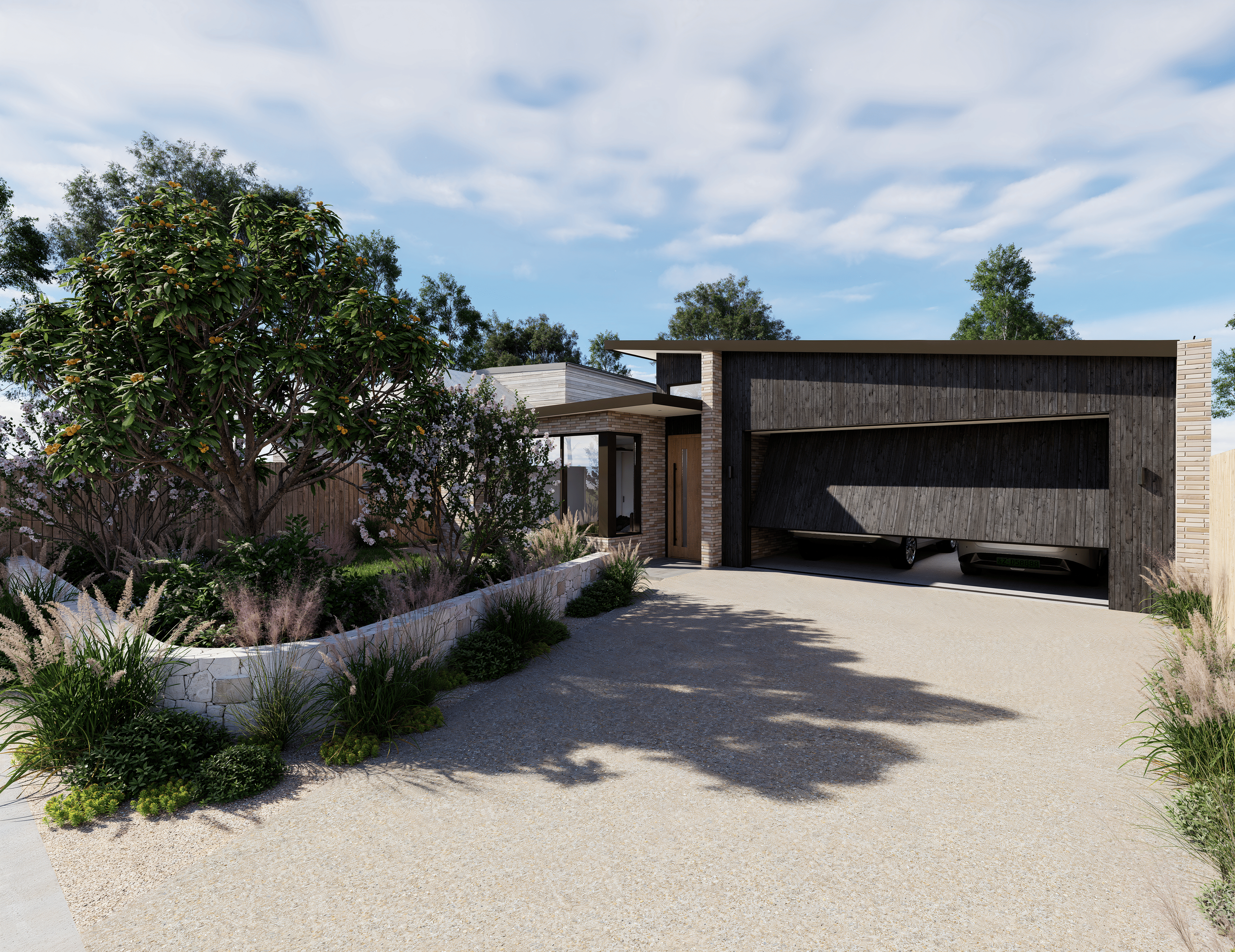
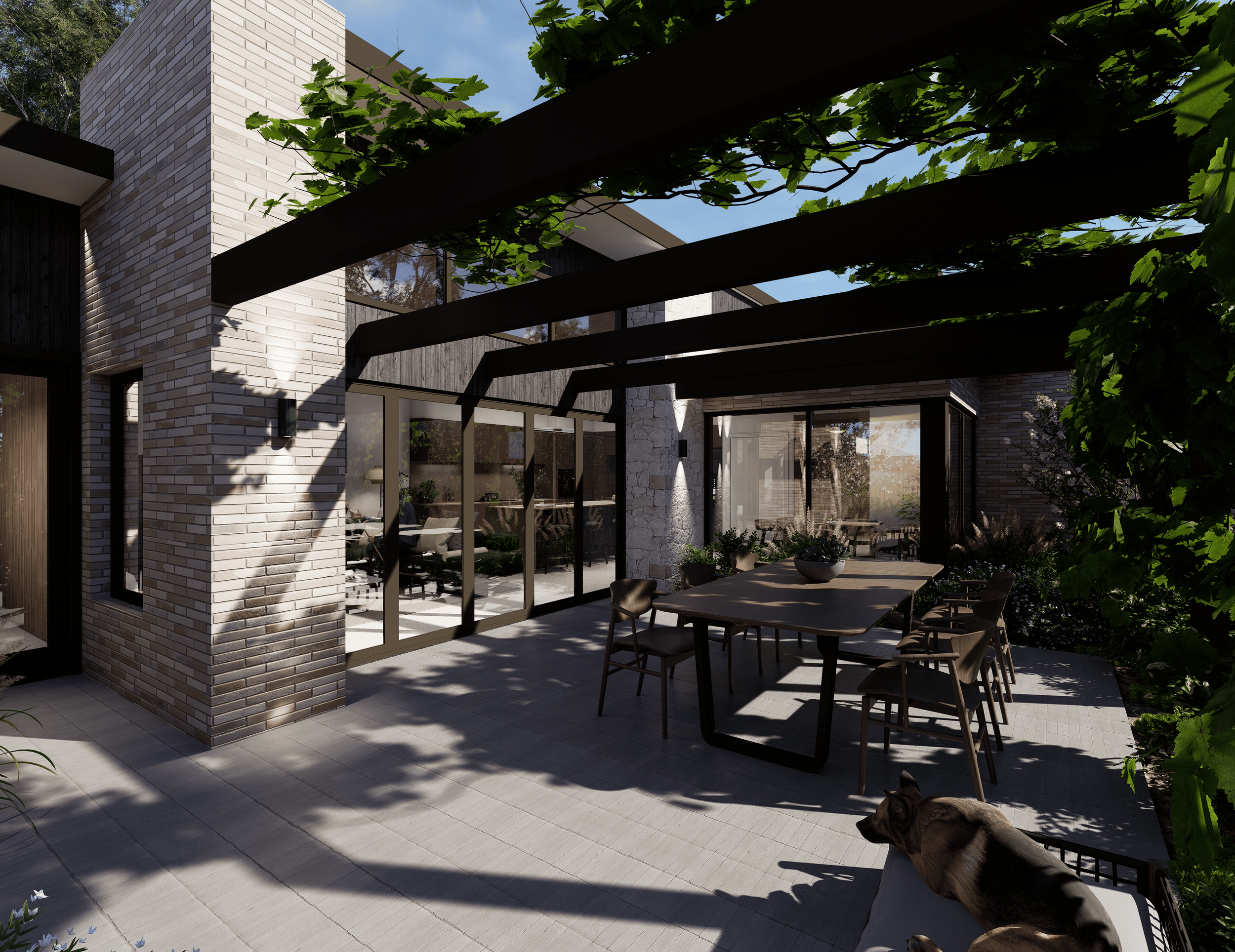
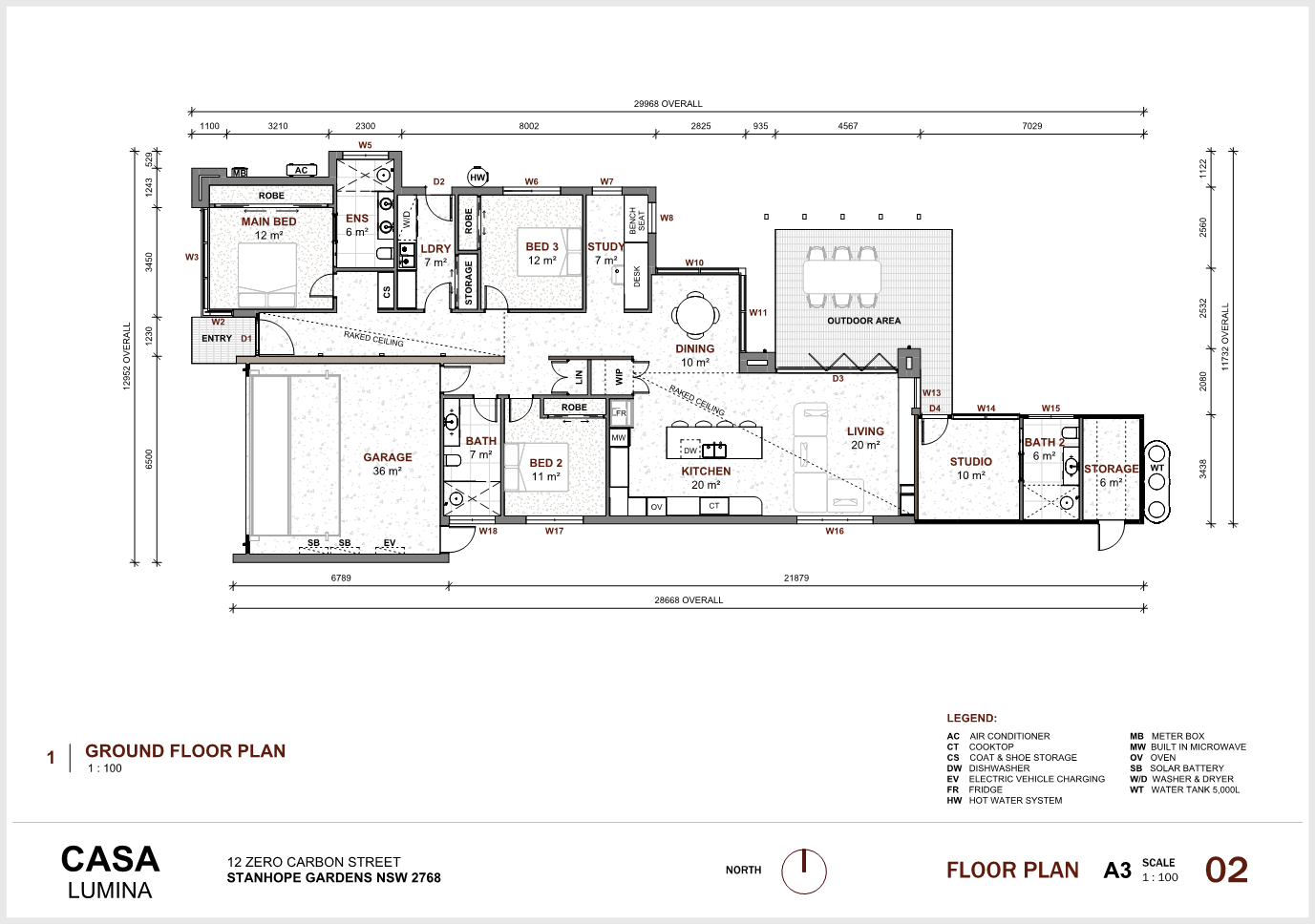
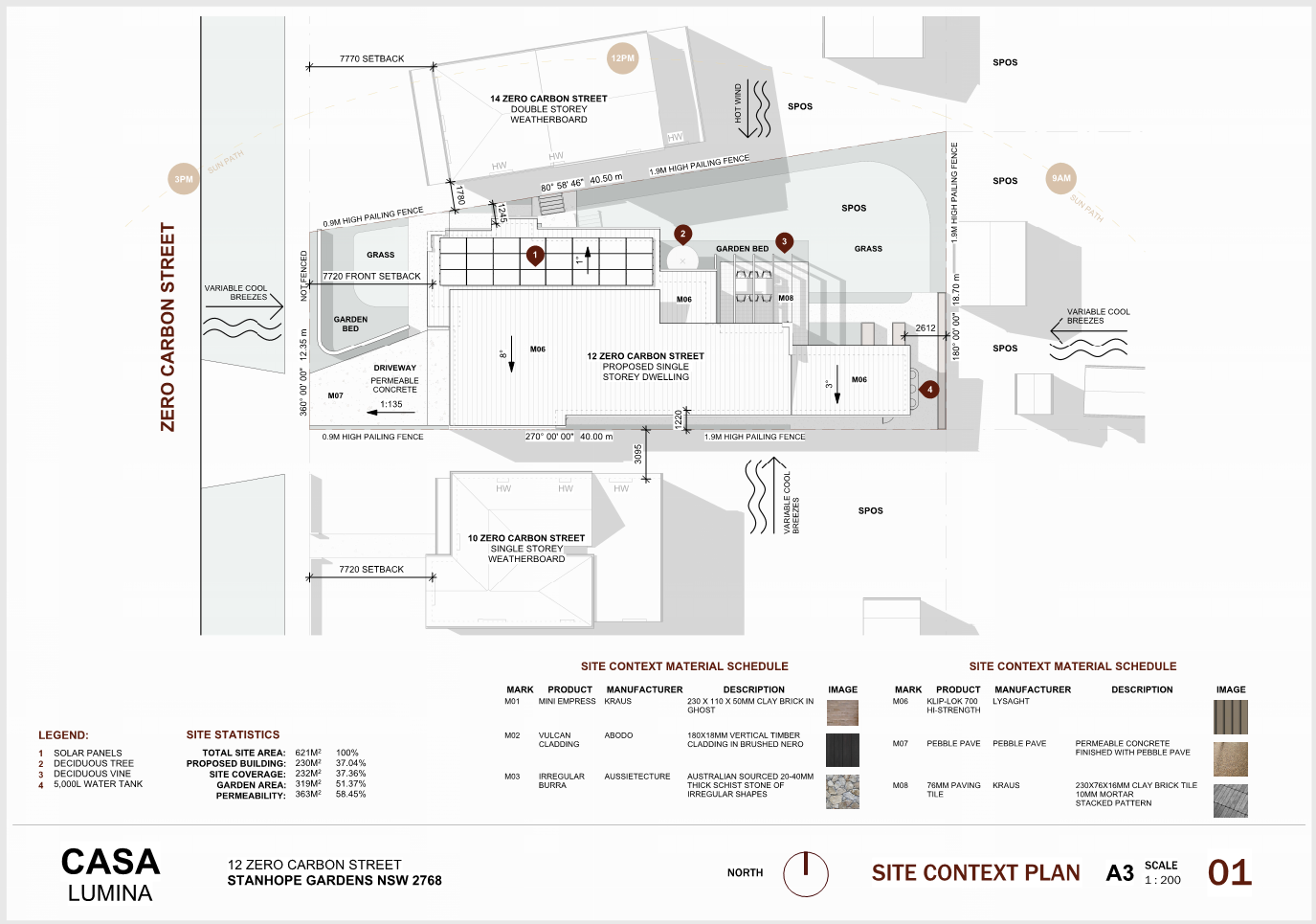
When I teamed up with building designer Jessica Cetinich of Grada Building Design to submit Casa Lumina into the Design Matters National True Zero Carbon Challenge 2026, we knew we were taking on much more than a typical energy assessment. Designed for a suburban site in Stanhope Gardens, NSW (Climate Zone 24), Casa Lumina was created as a functional, flexible family home.
As the accredited energy assessor at R8Star, stepping into this competition felt like entering an intensive home science masterclass. It tested every assumption I had about building performance, operational efficiency, and material life cycles.
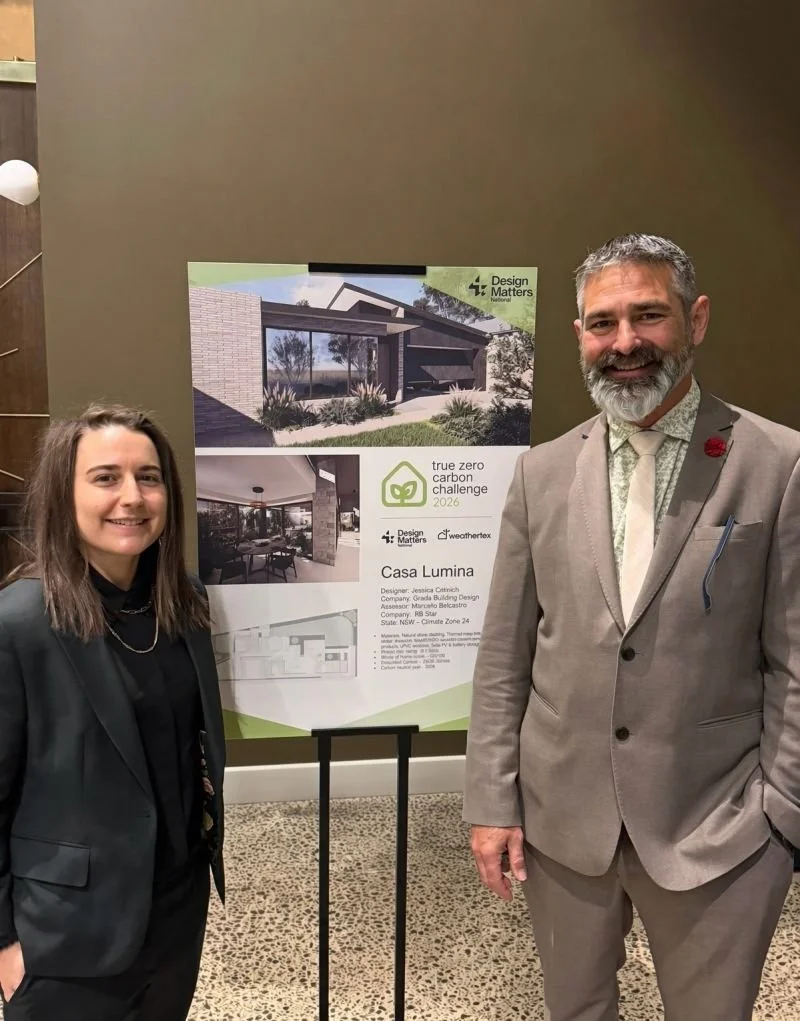
The Challenge: Designing Beyond the 7-Star Minimum
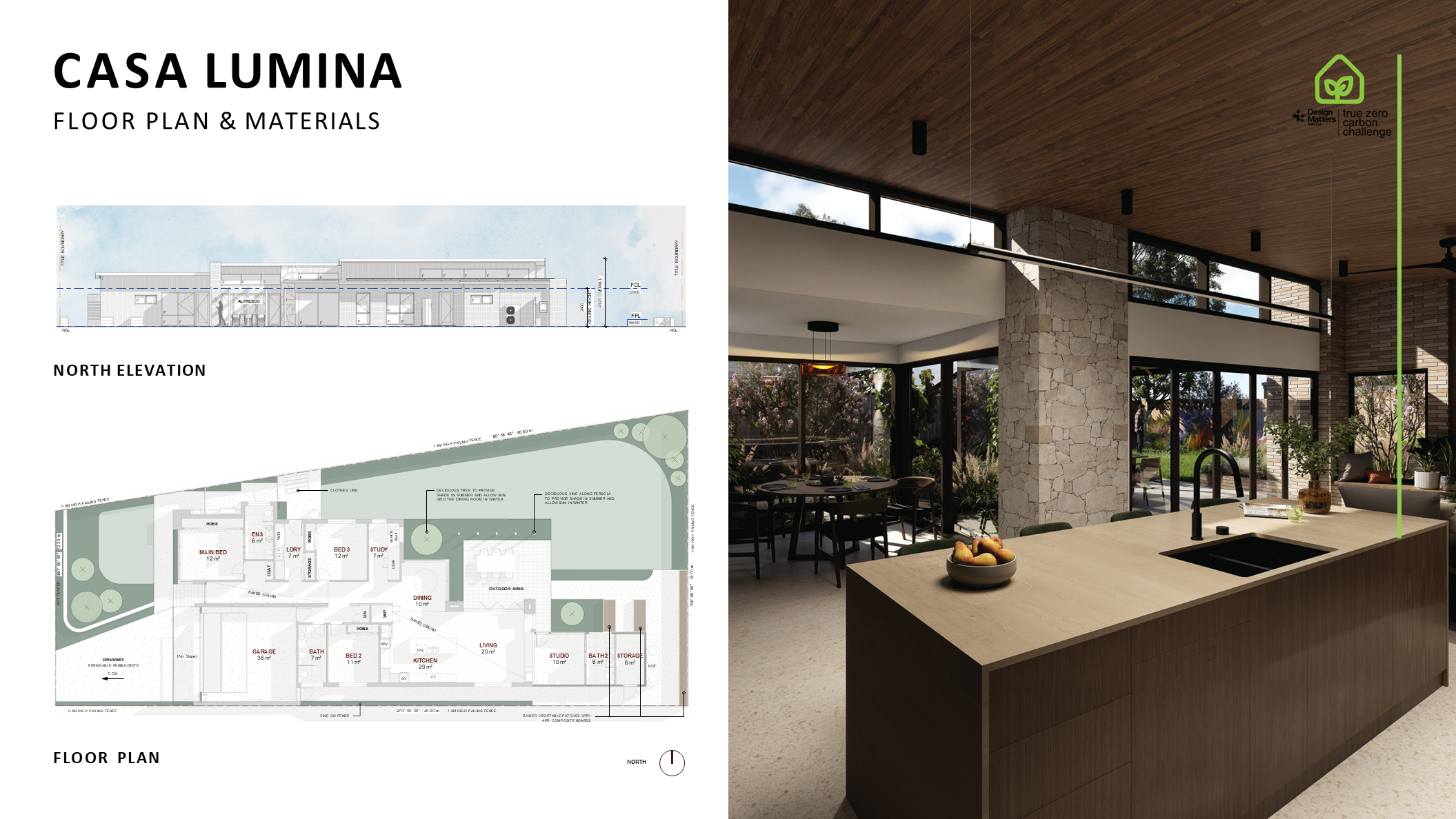
The True Zero Carbon Challenge asks entrants to go far beyond basic National Construction Code (NCC) minimums. The brief demanded a 3-bedroom plus study home that met a strict $800,000 construction budget while catering to working-from-home requirements and future intergenerational living.
From an energy assessment perspective, the technical criteria were formidable:
Achieve a high passive thermal rating well above the draft 7-star NCC benchmark.
Conduct a Whole of Home assessment to ensure net-zero annual operational emissions across heating, cooling, hot water, and appliance loads.
Calculate the upfront embodied carbon of every structural material using environmental databases.
Size a solar PV system that exports enough clean power to the grid to pay back the home's entire embodied carbon debt by 2050.
Delivering this level of environmental performance against the backdrop of a global cost-of-living crisis meant every design decision and material choice had to balance budget efficiency with long-term carbon payback.
What I Learnt: Lessons from the Carbon Frontier
1. Early Assessor Collaboration is Non-Negotiable
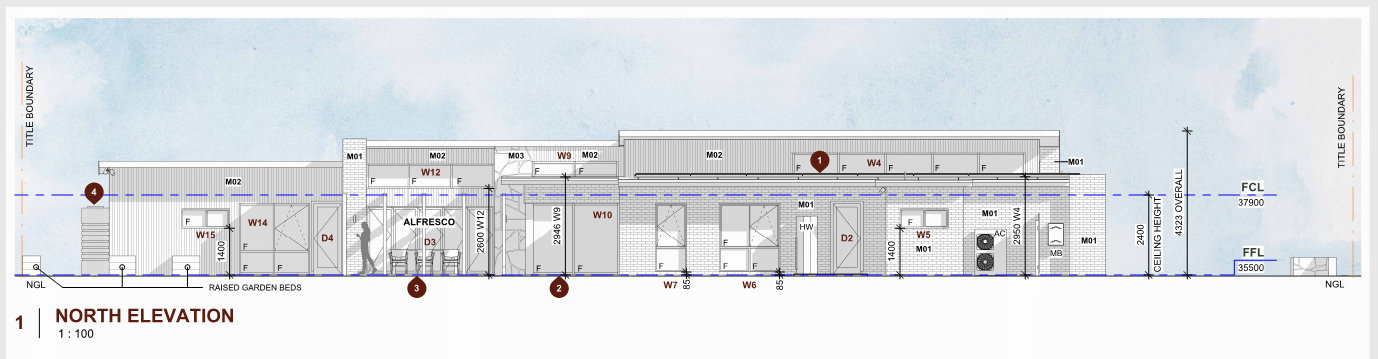
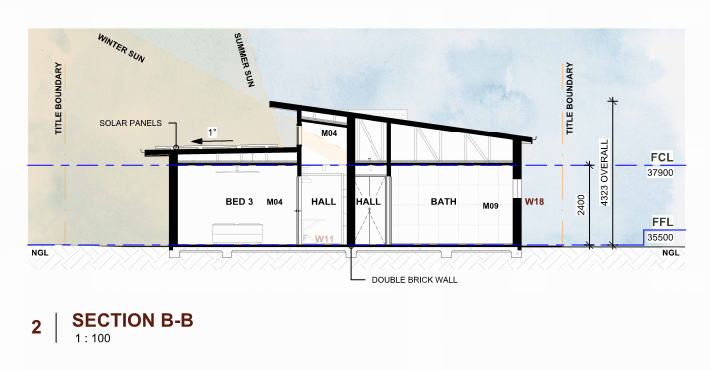
In standard residential projects, energy assessments are often treated as an afterthought—a compliance box ticked at the end of design. The challenge proved that true high performance requires bringing the energy assessor into the design team from day one. By modeling orientation, window-to-wall ratios, and thermal mass early, we achieved an 8.4-Star NatHERS thermal rating and a Whole of Home score of 125 out of 100.
2. Low-Carbon Materials Don't Have to Compromise Aesthetics
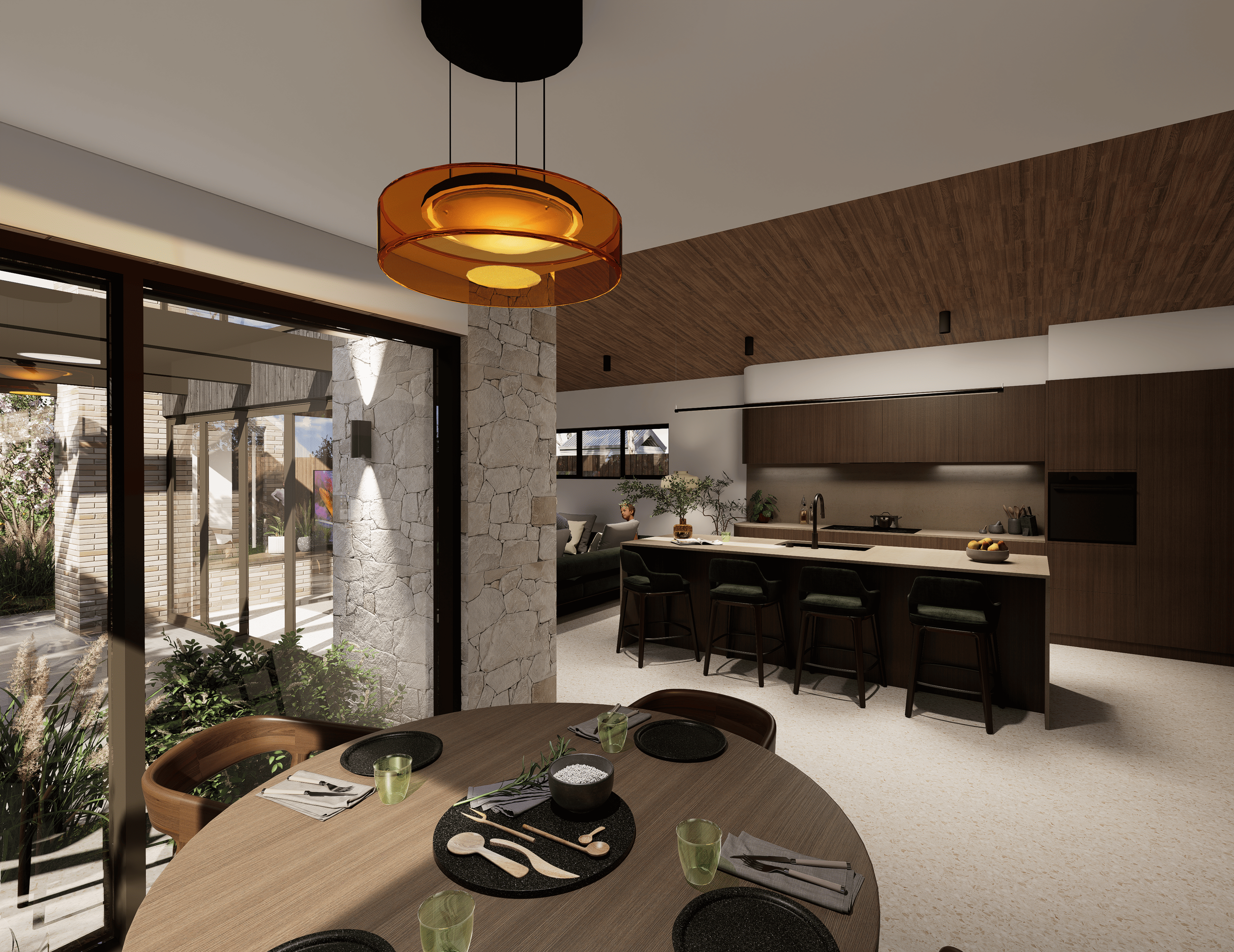
Calculating embodied carbon forced us to look deeply at the lifecycle footprint of building elements. To keep Casa Lumina’s total upfront embodied footprint to 242.8 Tonnes of CO₂e, we prioritized readily available, mainstream low-carbon materials. We specified central exposed Kraus Mini Empress brick walls for passive thermal mass, SaveBOARD recycled-content panels for joinery, double-glazed uPVC windows, and Holcim ECOPact low-carbon concrete. This approach proved that sustainable specification can remain economically disciplined while delivering an elevated aesthetic.
3. The Math of Operational Exports
To pay off the home's initial carbon debt, we specified a 13.2 kW rooftop solar PV array paired with battery storage. The system is predicted to generate 14,735.4 kWh of clean electricity annually, with 64.1% exported back to the grid. This operational surplus results in negative net annual greenhouse emissions of -8.2 Tonnes of CO₂e, setting Casa Lumina on a clear path to fully offset its embodied carbon by mid-2057.
How I Apply This at R8Star Today
Participating in the True Zero Carbon Challenge fundamentally transformed my professional approach at R8Star. Today, I apply these exact principles to help homeowners, builders, and designers navigate Australia's evolving energy standards:
Early-Stage Thermal Optimization: I work with clients during conceptual planning to optimize building orientation and glazing specs before plans are finalized, unlocking higher star ratings at lower construction costs.
Holistic Whole of Home Modeling: Rather than just scoring the building envelope, I assess heating, cooling, hot water, and solar integration as a complete ecosystem to eliminate running costs.
Lifecycle Carbon Insights: I assist progressive clients in understanding the embodied carbon footprint of their material choices, paving a practical roadmap toward net-positive living
Casa Lumina proved that creating a home soft on the planet and gentle on energy bills is not a distant vision—it is an engineered reality achievable today.
Are you planning a new build or development? Visit www.R8star.com.au to discover how early energy modeling and smart design can transform your next project.